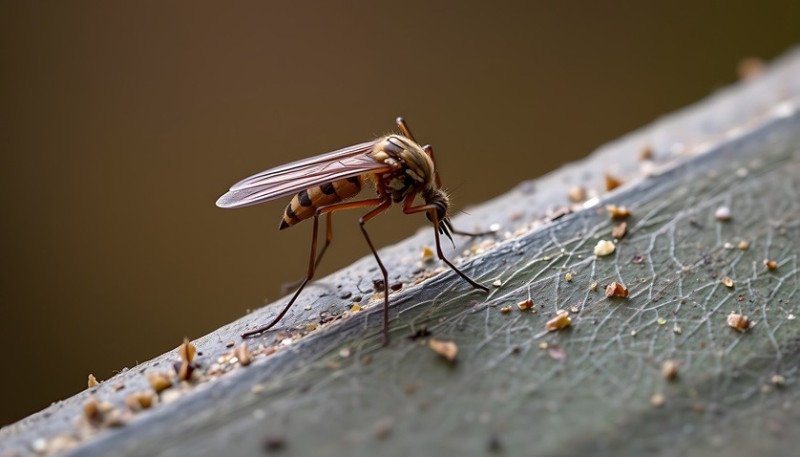
Pest control costs in the UK typically range from £100 to £400 for a single treatment, depending on the pest type, property size, and severity of infestation. Most homeowners pay between £150 and £250 for routine visits to handle common problems like mice, rats, or wasps. This guide breaks down exactly what you'll pay for different pests, explains why prices vary across the country, and shows you how to avoid overpaying for pest control services.
Average Pest Control Costs by Pest Type
The type of pest you're dealing with is the biggest factor affecting price. Different pests require different treatments, equipment, and expertise levels.
Rodent Control (Rats and Mice)
Expect to pay £120–£300 for initial treatment, with follow-up visits at £80–£150 each. Rodent problems usually need 2–3 visits over 4–6 weeks to break the breeding cycle. Most pest controllers charge a fixed price for the first visit, then per-visit rates for follow-ups. A severe infestation in a large property (detached house, small commercial unit) will cost more than treating a single flat.
Rural properties often pay 10–15% more because of travel time. London and the South East typically charge 20–30% above the national average.
Wasp Nest Removal
Wasp nest removal costs £80–£200 for a single nest. If you have multiple nests or the nest is in a difficult location (roof, cavity wall, chimney), expect to pay towards the higher end. Some pest controllers charge per nest; others charge a call-out fee plus per-nest rates. Most nests can be treated in one visit, though late-season nests (September–October) may need a second treatment.
Spring and summer prices are higher due to demand. Book in winter or early spring if you can plan ahead.
Cockroach Treatment
Cockroach control typically costs £150–£400 for an initial treatment, with 2–4 follow-up visits at £75–£120 each. Cockroaches require a programme approach. The pest controller will apply treatments, then return to monitor and reapply as needed. Landlords dealing with tenanted properties often negotiate package rates for multiple flats.
Bed Bug Treatment
Bed bug eradication ranges from £200 to £600+, usually requiring 2–3 visits over 4–6 weeks. Bed bugs hide deep in furniture and fabrics, so thorough treatment takes time. Some properties need heat treatment, which is more expensive (£500–£1,500 for a room or flat) but faster and more effective than chemical treatments alone.
Ant Control
Ant treatment costs £100–£180 for a single visit. Carpenter ants and pharaoh ants may need follow-up visits. Most ant problems resolve in one treatment if the nest location is found and treated.
Flea Treatment
Flea control in domestic properties typically costs £100–£250. If you have pets, the pest controller will recommend treating the property and advise on pet flea treatments (your vet handles that separately). Two visits, 10–14 days apart, are standard to catch emerging fleas.
Factors That Affect Your Pest Control Quote
Several variables push prices up or down beyond the pest type alone.
Property Size and Type
A one-bedroom flat costs less to treat than a four-bedroom detached house. Commercial properties (restaurants, offices, warehouses) are charged at higher rates due to liability, regulatory compliance, and often out-of-hours work. Flats may cost £100–£150, while a large house could be £200–£350.
Severity of Infestation
Light infestations (1–2 visible signs) cost 20–30% less than heavy infestations. A single mouse caught in a trap is different from a nest of 20. Pest controllers assess severity on the call, and honest operators will quote low if the problem is minor.
Location and Travel Costs
London and surrounding areas command premium prices. Rural locations incur travel surcharges. Some firms charge a minimum call-out fee (£50–£100) if you're far from their base. Ask whether travel is included in the quote or added on top.
Treatment Type
Standard chemical sprays are the cheapest option. Gel baits for cockroaches cost slightly more. Heat treatment for bed bugs is significantly more expensive but eliminates the need for multiple chemical visits. Bespoke trapping programmes for commercial kitchens are priced individually.
Follow-Up Visits
Most pests require monitoring visits. These are usually cheaper than the initial visit (30–50% less) but add to total cost. Ask upfront how many visits are included in the initial quote and what follow-ups cost.
Regional Price Differences Across the UK
Where you live has a significant impact on what you'll pay.
- London: £150–£400 per visit for residential; premium for same-day or next-day bookings
- South East (Surrey, Kent, Sussex, Essex): £120–£300; typically 10–20% above national average
- Midlands (Birmingham, Coventry, Leicester): £100–£250; mid-range pricing
- North (Manchester, Leeds, Liverpool): £90–£220; generally cheaper than the South
- Scotland: £100–£250; Edinburgh and Glasgow slightly higher; rural areas charge travel surcharge
- Wales: £90–£200; lower than England in most areas
- Rural areas nationwide: Add £30–£80 travel charge or higher minimum visit fee
Typical Cost Breakdown for Different Scenarios
Scenario 1: Mouse Infestation in a Terraced House
Initial treatment: £150. Follow-up visit in 3 weeks: £100. Follow-up visit in 6 weeks: £100. Total: £350 over 6 weeks. Most homeowners' insurance doesn't cover pest control, so this is an out-of-pocket cost.
Scenario 2: Single Wasp Nest in a Suburban Home
One-off treatment: £120. No follow-up needed if nest is destroyed. Total: £120. If a second nest appears later that year, many companies offer a free or discounted revisit within 6 weeks.
Scenario 3: Cockroach Problem in a Rental Flat
Initial treatment: £250. Three follow-up visits at £90 each: £270. Total: £520 over 8 weeks. Landlords often negotiate a package rate of £400–£450 for this. Legally, landlords must treat infestations, so this is their cost, not the tenant's.
Scenario 4: Bed Bug Treatment (Chemical Approach)
Visit 1: £300. Visit 2 (10 days later): £200. Visit 3 (if needed): £150. Total: £500–£650. Heat treatment as a one-off (faster alternative): £800–£1,200.
How to Get the Best Price on Pest Control
Get three written quotes before booking. Phone quotes are common, but ask for a summary email so you can compare. Here's how to ensure fair pricing:
- Be specific about the pest, where you've seen it, and how long you've had the problem
- Ask if the initial quote includes follow-up visits or if those are charged separately
- Confirm what's included: treatment materials, labour, travel, and monitoring
- Check if the company is accredited by BPCA (British Pest Control Association) — members must meet insurance and training standards
- Ask about a warranty: reputable firms guarantee treatment for a period (usually 4–12 weeks)
- Book off-peak (winter months or weekdays) for lower rates than summer weekends
- Bundle multiple pest issues into one visit to reduce cost per problem
When to DIY vs. Call a Professional
DIY treatments cost £10–£40 per product (sprays, traps, powders) and work for very minor problems only. Professional pest control is worth paying for if you've seen more than a couple of pests, the problem has lasted more than a week, or DIY attempts haven't worked.
Bed bugs, cockroaches, and large rodent infestations should always be treated professionally. Home treatments rarely eradicate these pests completely, and you'll end up spending more on repeated purchases than a single professional visit would cost.
Wasps in late summer or autumn are worth professional removal if the nest is near a living area, especially if anyone in your household has an allergy. A single nest removal at £100–£150 beats the risk of stings.
Hidden Costs and What to Watch Out For
Honest pest control companies are transparent about pricing, but some add surprise costs. Watch out for:
- Callout fees charged on top of treatment (ask if they're waived if you book treatment)
- Travel charges for rural properties (confirm before booking)
- Cancellation fees if you cancel within 24 hours (usually 50% of the quote)
- Removal charges for dead animals or nest debris (should be included but check)
- Prevention treatments upsold as add-ons (you can decline these)
- Mandatory follow-up visits charged upfront but not always necessary (ask if each visit is essential)
Reputable companies will separate optional treatments from essential ones in the quote.
Frequently Asked Questions
How much does pest control usually cost for an emergency same-day visit?
Same-day or emergency visits typically cost 50–100% more than routine bookings. Expect to pay £200–£400 for a rapid response. Most pest control companies charge an emergency surcharge between £50 and £150 on top of the standard treatment price. Book in advance when possible to avoid this premium.
Is pest control covered by home insurance in the UK?
Most standard home insurance policies do not cover pest control costs. Some landlord insurance and commercial policies may include it, but check your policy documents. You'll almost always pay out of pocket. Pest control claims are sometimes possible under accidental damage cover, but the insurer may refuse if they classify it as neglect.
How long does a pest control treatment usually take?
A single pest control visit typically lasts 30 minutes to 2 hours, depending on the property size and pest type. Wasp nest removal takes 20–40 minutes. Rodent surveys and treatment can take 1–2 hours. Heat treatment for bed bugs takes 4–8 hours. The pest controller will give you a time estimate on booking.
Do I need permission to treat my rented flat for pests?
Yes, you must inform your landlord before arranging pest control treatment. In most cases, the landlord is legally responsible for treating pest infestations. Notify them immediately, and they should arrange and pay for professional treatment. Don't pay for it yourself without the landlord's knowledge, as they may refuse reimbursement.
How do I check if a pest control company is qualified and insured?
Ask if they're registered with BPCA (British Pest Control Association) or CIEH (Chartered Institute of Environmental Health). Check their public liability insurance certificate before booking. Ask how long they've been operating and request references from other customers. Verify they have a landline phone number and a physical address; scammers often use mobile numbers only.
Compare trusted pest control providers near you. QuoteBank shows you verified local businesses — you pick who contacts you. No cold calls, no obligation.
Trending articles
-
 Pest Control Specialist Day Rates and ...
Feb 2026
Pest Control Specialist Day Rates and ...
Feb 2026
-
 How to Get More Pest Control Jobs in ...
Feb 2026
How to Get More Pest Control Jobs in ...
Feb 2026
-
 How to Choose a Pest Control ...
Feb 2026
How to Choose a Pest Control ...
Feb 2026
-
 Signs You Need a Pest Control ...
Feb 2026
Signs You Need a Pest Control ...
Feb 2026
-
 How Much Does pest control Cost in ...
Feb 2026
How Much Does pest control Cost in ...
Feb 2026
-
 Best Pest Control in the UK: How to ...
Feb 2026
Best Pest Control in the UK: How to ...
Feb 2026